Russian Food Glossary – K L M N O
My cooking glossary includes Russian food, cooking terms, ingredients, dishes and Russian people culinary preferences. The glossary includes photos and pronunciation dishes and ingredients in Russian too. The idea to add pronunciation of Russian words to my glossary told my American friend and I hope, it is going to interesting. I will continue to add a new related to Russian cooking words and descriptions to my glossary.

Каша ( Kasha ) porridge – boiled or baked grains. Most popular buckwheat, oat, rice, wheat, millet, and semolina porridges. Kasha can be made with milk, water, or stock. Kasha (water or broth base) can include mushrooms, onions carrots, eggs, and other interesting variations. We have a very rich variety of kasha. One of the Russian common dishes especially for kids. In the photo, millet ( pshennaia ) kasha baked in butter squash with honey and dried apricots.

Kefir – very popular fermented milk beverage at Russia. Originated from the Caucasus Mountains. Very beneficial for heath drink. We use as drink and in cooking to make pancakes, pirozhki and in cold soup okroshka.

Кисель ( Kissel ) – Russian pudding commonly thickened with potato, corn, or oatmeal starch. Can be made from fruits, berries, and milk. Also can be a beverage. Сommon drink for little kids.
Kissel Ovsianii (Oatmeal Russian Dessert) 〉Traditional Russian Dessert From Oatmeal Kissel Ovsiannii

Курник ( Kurnik ) – Russian layered chicken or turkey pie. Stuffing for the pies made out of the meat, rice, onion, and hard-boiled eggs. Call also wedding pie, especially was common in the South of Russia.

Компот ( Kompot ) – a very popular Russian beverage that can be made from fresh or dried berries and fruits. Also, kompot (Compote) can be called canned fruits in syrup.

Квас ( Kvas ) – Russian beverage with a very long history, first mentioned in writing in 1056. The beverage is made by fermentation of dry bread commonly rye with fermentation starter, dry berries, juices, and herbs. Coloring with caramelized sugar. The color of homemade kvas is mustard tones from very light to dark. Kvas can be sweet and sour. Homemade kvas is very beneficial as a healthy beverage. Very commonly used in Russian cold soup, okroshka. You can find Kvas at European stores in the USA. However, it will be very different from what we make at home.

Квашеная капуста ( Kvashennaia Kapusta ) – Russian homemade fermented cabbage, very close to sauerkraut. Usually, includes carrots. Some recipes include apples and cranberries. We use it in soups, cook with pork, or serve with vegetable oil and onion on top.
M
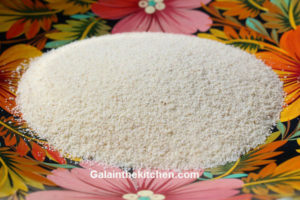
Манка ( Manka ) – call also mannaya krypa in Russian. Sometimes at Russian stores call semolina or farina. Very close to Cream of Wheat, but it is not wheat cream. Semolina grain made from wheat and widely used in Russian cooking. We use it to make kasha (porridge), casserole with farmer cheese, dumplings, desserts and along with flour to make cakes and other pastries. Manka is a common ingredient in Russian cuisine.
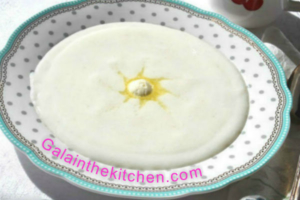
Манная каша ( Mannaya Kasha ) – Russian farina (semolina) porridge.

Масленица ( Maslenitsa ) – Russian Winter Holiday celebrated for one week with the traditional dish blini. It is also “Pancake Week”.

Мед ( Meod ) – honey or alcohol drink that contains honey. We use honey so much in cooking. We add it to some porridges, pastries and to make beverages. Use as a sweetener for tea and a main remedy when we have a cold!
Meod is an alcoholic beverage mentioned in writing 880 (over 1000 years ago!). However, stopped being widely produced after 16 century because of the discovery of vodka. The recipes were restored, but because producing good meod drink takes a minimum 10-15 years as a good wine drink is very expensive. The real meod from ancient times doesn’t contain water or alcohol.

Konstantin Makovsky’s Painting Featuring Medovykha 1880
Медовуха ( Medovukha ) – an alcoholic drink made from fermented honey. Available at stores in Russia.

Морс ( Mors ) – one of the oldest Russian non-fermented beverages. Mors is berries juice (boiled or fresh) mixed with water (birch juice) and sweetened with honey or sugar (herbs). The name comes from Byzantine and means “water with honey”. First mentioned in writing in the book called “Domostroi” 15-16th century. Available at stores in Russia and European stores in the USA.
N

Наливка ( Nalivka ) – Russian liqueur. Alcoholic beverages with a high content of sugar and are very flavorful. I had to try good homemade apricot nalivka many years ago in South Russia. So good, nothing common with store liqueurs. Bitter nalivka (Наливка горькая) is called nalivka without any sugar.

Настойка ( Nastoika ) – Russian alcoholic beverage made from vodka infused with berries, seeds, leaves, roots with specific flavors. Compared to nalivka, nastoika contains less sugar and more alcohol.
O

Окрошка ( Okroshka ) – Traditional Russian cold summer soup. The soup has so many versions! Okroshka can be made with different meats, fish or just vegetables. Traditionally served with a Russian fermented beverage called kvas. However, so many modern substitutes to replace okroshka kvas, for example, we can make it with kefir (buttermilk) and carbonated mineral water. Kvas can be sweet and sour and you can buy it in Russian stores. However, in the soup, we can serve only sour kvas!
Read more 〉 Okroshka Recipe Or Russian Cold Summer Soup With Kefir

Оладьи ( Oladi ) – Russian small pancakes 0.5 inches thick made from yeast dough or soda and fried in oil. Oladi served with sour cream, honey, butter, sugar, sweet fruit sauce, fresh berries, and much more. Oladi can be served with caviar as well.
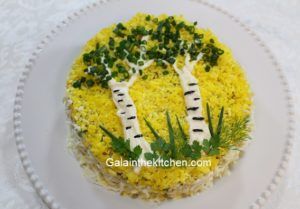
Оливье ( Olivier salad ) – traditional Russian potato salad with vegetables and meat.